
AI AND FOOD MANUFACTURING · 10 August 2026
AI on the production line: turning factory signals into faster decisions
A food manufacturing pilot shows how AI can help teams spot production issues earlier, reduce alert fatigue and keep people in control of the response.
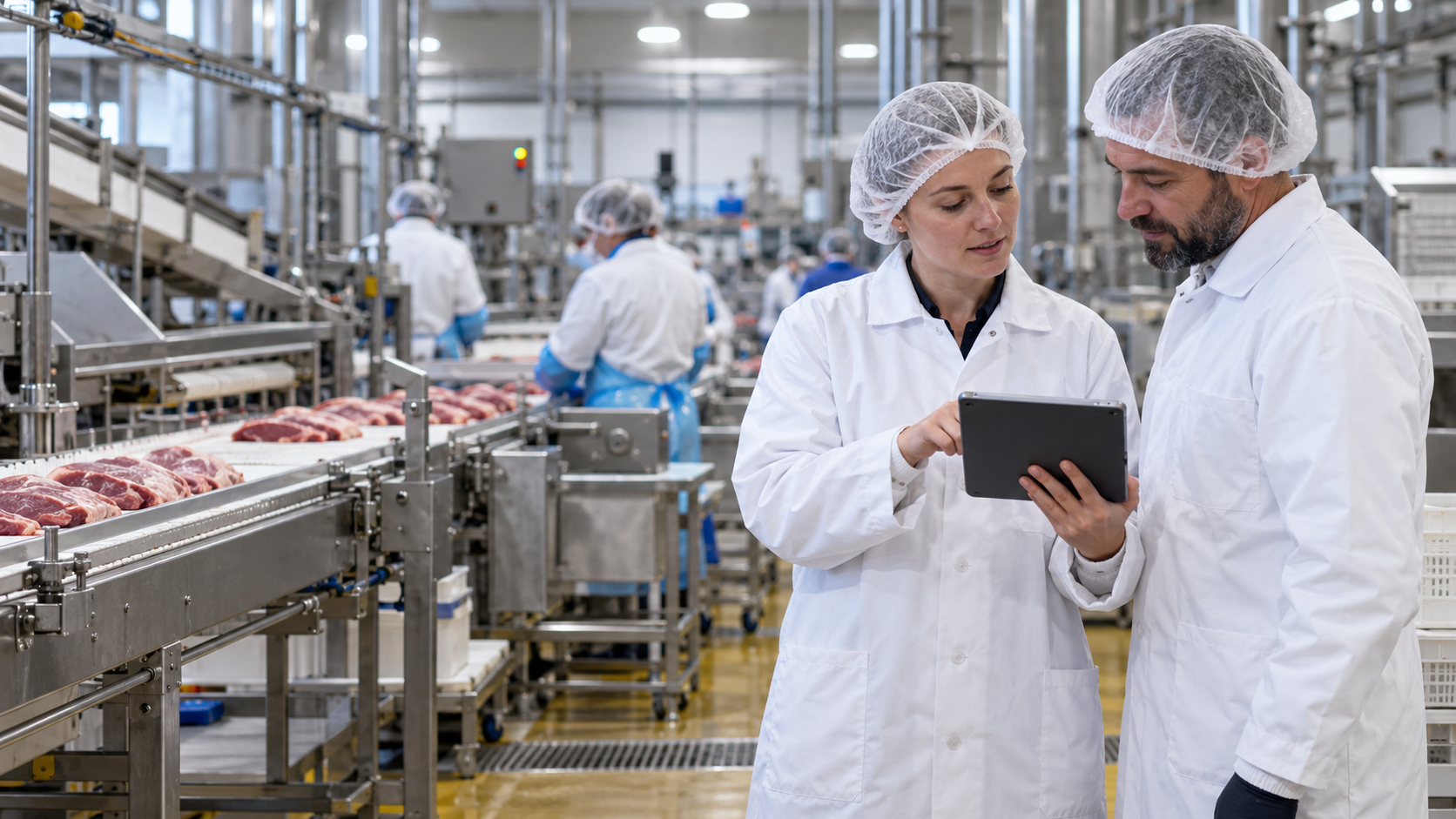
From alerts to useful decisions
Food manufacturers already collect signals from production lines, equipment and quality systems. The challenge is making those signals useful at the moment a team needs to respond. Too many disconnected alerts can obscure the issue that matters and leave people sorting noise from risk.
A practical AI use case
Food Agility CRC reports that Kilcoy Global Foods, RMIT University and Food Agility have piloted digital twins with generative AI to detect and triage manufacturing anomalies. The system helps surface patterns and escalates the issues that need human attention. The value is not AI replacing operators. It is helping experienced people focus their time where the production evidence says it is needed.
What this means for food businesses
The lesson for manufacturers is to begin with a defined operational question: which event should be detected, what evidence is available, who needs to act and how will the outcome be measured? A useful pilot links production data to a real decision, then tests whether the alert is timely, accurate and actionable.
Hatched perspective
The same discipline applies to commercial operations. Sales, supply, customer feedback and account activity only create value when teams can connect them to a clear next step. AI is most useful when it helps people see a pattern, understand its source and decide what deserves attention.